


Virginia Dog Hunting
 02-05-2008 | 12:30 PM
#101
Nontypical Buck
Joined: Jun 2007
Posts: 1,277
Likes: 0
From: north florida
 RE: Virginia Dog Hunting
ORIGINAL: Bigg~BirddVA
Uh...... I hate to tell you your dogs might have been biting something if I was there but it wouldn't have fur on it.
ORIGINAL: bryant1
I hate to tell you, but that doesn'tprove anything- you dont have a pic of BOTH the deer and the dogs in one pic. My dogs would have beenbitingat the deers' butts! LOL
ORIGINAL: Bigg~BirddVA
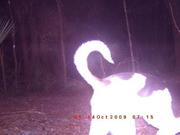
Here's a trail cam pic from............. last week. Those "fox hounds" are chasing deer! LOL Why are deer dogs still running now? Just goes to show how far this has gone and how far it needs to go to be fixed.
Just educating deer on dogs and humans and what to do when they feel threatened. Too bad deer aren't as dumb as some of those feeding us those BS lies we read on here.
BTW this is the same tract I complained about to the game warden on dogs chasing deer during youth gobbler day 2 years ago. They're still at it over there.

Here's a trail cam pic from............. last week. Those "fox hounds" are chasing deer! LOL Why are deer dogs still running now? Just goes to show how far this has gone and how far it needs to go to be fixed.
Just educating deer on dogs and humans and what to do when they feel threatened. Too bad deer aren't as dumb as some of those feeding us those BS lies we read on here.
BTW this is the same tract I complained about to the game warden on dogs chasing deer during youth gobbler day 2 years ago. They're still at it over there.

You guys whine and bicker just like a bunch of old women. JUST DROP IT
 02-05-2008 | 01:32 PM
#102
Fork Horn
Joined: Jul 2003
Posts: 465
Likes: 0
From: Northern Neck VA
RE: Virginia Dog Hunting
buckwild,
I welcome the fact that you are being level/open minded as I too am trying to do the same. Like I said I have a dog in both side of this fight so to speak and having grown up a still hunter, and a little later on in life finding the enjoyment from hearing a good chase. I could care less about harvesting an aminal just love to hear the dogs and enjoy the outdoors.
I can honestly say in all my years of hound hunting/owning that my run-ins that were unpleasant have been minimal. I am not going to say that I have never not had a issue but its far from the norm. I try real hard to keep my dogs on our leases and or properties that we have permission to hunt or retrieve our dogs on. But it is not a perfect world and there have been times when my dogs or others in my groups have gotten away from us and into areas we did not have permission for. In that case I handle it on a individual property and circumstance basis. There are certain properties that I know no one hunts on and that the the dogs are out of harms way in, so I will wait and see if they back track of where they are heading before I decide to go hike (armed only with a tracking box) to get them back up as quickly as possible. There are tracts that I know guys are still hunting and I will sometimes try to get them back as quickly as possible without disturbing the other hunters but if it is prime time and I know my dogs are actually running then I do not enter the property so as not to screw up the hunt any further for those in there still hunting. I just monitor the dogs and wait until I see someone leaving the property to ask about getting my dogs. I know these situations would not make everyone happy but I try to be the least intrusive as I can in getting my dogs. I have had people go out of their way to thank me for my dogs running them a deer after seeing nothing all day, then I have had guys curse me out like I am scum after telling me they killed or shot at a deer my dogs were running, sometimes they catch the dogs and cuss about never wantign to see the dogs again, sometimes they dont and still cus about not wanting to see them again. Like I said I know what it is like to have a still hunt interrupted by dogs, but I also know what its like to have a crappy still hunting day turn good with the harvest of a deer off of some dogs from no where. Sorta a catch 22 I guess.
Like you can see I try to be really repectfull of those around me and all other hunters. We take the time each year to meet with all the surrounding landowners on a one by one basis and any clubs or still hunters that are hunting around us so that we are all on the same page. Most of the landowners are receptive to us getting our dogs and it has actually opend the doors to a few more hunting places as well. They like that we are respectful enough to ask. We also know that certain ones have certain wishes as far as driving/parking/times/ etc.. and we adhere to these wishes. We also try to make sure that if we have to drive in a road while its wet that we not cut it up and if we do then we always repair it and put stone in the bad spots after season goes out. There are still a few landowners and or hunters that want nothing to do with us on the land, so even though it is the law that we can go on there we dont. As far as the surrounding clubs, we get along well with them.. we always let each other know if we have dogs heading onto their property and if they are not hunting that tract most of them time they give us a green light to go into it, and the same with us. We TRY to do it right although no one will ever make everyone 100% happy.
As far as the hounds running out of season most everyone I know is good about it and if we are fox hunting (which some us actually do fox hunt because like I said its not the harvest its hearing the chase) we try to do it no where near anyone else so as not to disturb them and not during the spring gobbler or the fall early season. I do however think that the deer huters need a training season badly. I feel this would help cut down on alot of the running out of season issues that go on.. not going to say its a cure all but it would be a start and a improvement. I also feel that the law to go onto property at anytime to retrieve your dogs needs to be changed.. as a dog owner I would not like to see it eliminated completely but rather something along the lines of from one half hour before sunrise until one half hour after sunset you may not enter property without permission from the landowner or his agent. From one Half hour after sunset until 3:00 am you may enter to retrieve your dogs (not armed, and on foot) onto property without having to secure landowners permisson... or something along these lines... this would stop the slob hunters from abusing it and making drives while "trying to find their dogs" on property and to keep people from further interfereing with someones hunt. Then after the conclusion of the hunting day the dog owners could go get their dogs without screwing up anyones hunt and if you cut it off early enough you will not come close to messing up the still hunter who is trying to get to his stand before daybreak to let things settle.
I also feel that people dumping dogs on property that they do not have permission to is BS and they should be prosecuted fully. Those are the guys who shot anything that moves and then when they dont have any big bucks they go after the properties near them that do. I think its good policy to have a QDM in place as well... my club and the ones around us (about 10,000 acres including the 4000 still hunting directly beside us) all have some sort of buck rule.. most of them use 16" as a minimum and alot of the guys carry even further than that practicing self imposed buck rules... we all feel that there are plenty of does and plenty of doe days to be able to put meat in the freezer so we try to let the little ones grow up to be nailers (wall hangers)..
Justin
I welcome the fact that you are being level/open minded as I too am trying to do the same. Like I said I have a dog in both side of this fight so to speak and having grown up a still hunter, and a little later on in life finding the enjoyment from hearing a good chase. I could care less about harvesting an aminal just love to hear the dogs and enjoy the outdoors.
I can honestly say in all my years of hound hunting/owning that my run-ins that were unpleasant have been minimal. I am not going to say that I have never not had a issue but its far from the norm. I try real hard to keep my dogs on our leases and or properties that we have permission to hunt or retrieve our dogs on. But it is not a perfect world and there have been times when my dogs or others in my groups have gotten away from us and into areas we did not have permission for. In that case I handle it on a individual property and circumstance basis. There are certain properties that I know no one hunts on and that the the dogs are out of harms way in, so I will wait and see if they back track of where they are heading before I decide to go hike (armed only with a tracking box) to get them back up as quickly as possible. There are tracts that I know guys are still hunting and I will sometimes try to get them back as quickly as possible without disturbing the other hunters but if it is prime time and I know my dogs are actually running then I do not enter the property so as not to screw up the hunt any further for those in there still hunting. I just monitor the dogs and wait until I see someone leaving the property to ask about getting my dogs. I know these situations would not make everyone happy but I try to be the least intrusive as I can in getting my dogs. I have had people go out of their way to thank me for my dogs running them a deer after seeing nothing all day, then I have had guys curse me out like I am scum after telling me they killed or shot at a deer my dogs were running, sometimes they catch the dogs and cuss about never wantign to see the dogs again, sometimes they dont and still cus about not wanting to see them again. Like I said I know what it is like to have a still hunt interrupted by dogs, but I also know what its like to have a crappy still hunting day turn good with the harvest of a deer off of some dogs from no where. Sorta a catch 22 I guess.
Like you can see I try to be really repectfull of those around me and all other hunters. We take the time each year to meet with all the surrounding landowners on a one by one basis and any clubs or still hunters that are hunting around us so that we are all on the same page. Most of the landowners are receptive to us getting our dogs and it has actually opend the doors to a few more hunting places as well. They like that we are respectful enough to ask. We also know that certain ones have certain wishes as far as driving/parking/times/ etc.. and we adhere to these wishes. We also try to make sure that if we have to drive in a road while its wet that we not cut it up and if we do then we always repair it and put stone in the bad spots after season goes out. There are still a few landowners and or hunters that want nothing to do with us on the land, so even though it is the law that we can go on there we dont. As far as the surrounding clubs, we get along well with them.. we always let each other know if we have dogs heading onto their property and if they are not hunting that tract most of them time they give us a green light to go into it, and the same with us. We TRY to do it right although no one will ever make everyone 100% happy.
As far as the hounds running out of season most everyone I know is good about it and if we are fox hunting (which some us actually do fox hunt because like I said its not the harvest its hearing the chase) we try to do it no where near anyone else so as not to disturb them and not during the spring gobbler or the fall early season. I do however think that the deer huters need a training season badly. I feel this would help cut down on alot of the running out of season issues that go on.. not going to say its a cure all but it would be a start and a improvement. I also feel that the law to go onto property at anytime to retrieve your dogs needs to be changed.. as a dog owner I would not like to see it eliminated completely but rather something along the lines of from one half hour before sunrise until one half hour after sunset you may not enter property without permission from the landowner or his agent. From one Half hour after sunset until 3:00 am you may enter to retrieve your dogs (not armed, and on foot) onto property without having to secure landowners permisson... or something along these lines... this would stop the slob hunters from abusing it and making drives while "trying to find their dogs" on property and to keep people from further interfereing with someones hunt. Then after the conclusion of the hunting day the dog owners could go get their dogs without screwing up anyones hunt and if you cut it off early enough you will not come close to messing up the still hunter who is trying to get to his stand before daybreak to let things settle.
I also feel that people dumping dogs on property that they do not have permission to is BS and they should be prosecuted fully. Those are the guys who shot anything that moves and then when they dont have any big bucks they go after the properties near them that do. I think its good policy to have a QDM in place as well... my club and the ones around us (about 10,000 acres including the 4000 still hunting directly beside us) all have some sort of buck rule.. most of them use 16" as a minimum and alot of the guys carry even further than that practicing self imposed buck rules... we all feel that there are plenty of does and plenty of doe days to be able to put meat in the freezer so we try to let the little ones grow up to be nailers (wall hangers)..
Justin
02-05-2008 | 02:55 PM
#103
Fork Horn
Joined: Feb 2003
Posts: 201
Likes: 0
From: va USA
RE: Virginia Dog Hunting
Justin, Like I figured. Based on the description of how you run your hunt you rarely cause an issue and if more practiced as you maybe this debate would have never started? Now if we can just get level headed, fair discussion in Richmond maybe the seasons to come will be better for all of us?
I know what some of you are thinking.... He's in never neverland... He's off his meds.... Just trying and hoping for a positive outcome thats all....
I know what some of you are thinking.... He's in never neverland... He's off his meds.... Just trying and hoping for a positive outcome thats all....
02-06-2008 | 12:33 AM
#105
Fork Horn
Joined: Jan 2008
Posts: 217
Likes: 0
RE: Virginia Dog Hunting
§ 3.1-796.104. Position of animal control officer created.
The governing body of each county or city shall, or each town may, appoint an officer to be known as the animal control officer who shall have the power to enforce this chapter, all ordinances enacted pursuant to this chapter and all laws for the protection of domestic animals. The governing body may also appoint one or more deputy animal control officers to assist the animal control officer in the performance of his duties. Animal control officers and deputy animal control officers shall have a knowledge of the animal control and protection laws of Virginia which they are required to enforce. When in uniform or upon displaying a badge or other credentials of office, animal control officers and deputy animal control officers shall have the power to issue a summons or obtain a felony warrant as necessary, providing the execution of such warrant shall be carried out by any law-enforcement officer as defined in § 9.1-101, to any person found in the act of violating any such law or any ordinance enacted pursuant to such law of the locality in which the animal control officer or deputy animal control officer is appointed. The animal control officer and the deputy animal control officers shall be paid as the governing body of each locality shall prescribe.
Any locality in which an animal control officer or deputy animal control officers have been appointed may contract with one or more additional localities for enforcement of animal protection and control laws by the animal control officers or deputy animal control officers. Any such contract may provide that the locality employing the animal control officer or deputy animal control officers shall be reimbursed a portion of the salary and expenses of the animal control officer or deputy animal control officers.
Every locality employing an animal control officer shall submit to the State Veterinarian, on a form provided by him, information concerning the employment and training status of the animal control officers employed by the locality. The State Veterinarian may require that the locality notify him of any change in such information.
(1984, cc. 254, 492, § 29-213.73; 1987, c. 488; 1998, c. 817; 2003, c. 804; 2004, c. 181.)
The governing body of each county or city shall, or each town may, appoint an officer to be known as the animal control officer who shall have the power to enforce this chapter, all ordinances enacted pursuant to this chapter and all laws for the protection of domestic animals. The governing body may also appoint one or more deputy animal control officers to assist the animal control officer in the performance of his duties. Animal control officers and deputy animal control officers shall have a knowledge of the animal control and protection laws of Virginia which they are required to enforce. When in uniform or upon displaying a badge or other credentials of office, animal control officers and deputy animal control officers shall have the power to issue a summons or obtain a felony warrant as necessary, providing the execution of such warrant shall be carried out by any law-enforcement officer as defined in § 9.1-101, to any person found in the act of violating any such law or any ordinance enacted pursuant to such law of the locality in which the animal control officer or deputy animal control officer is appointed. The animal control officer and the deputy animal control officers shall be paid as the governing body of each locality shall prescribe.
Any locality in which an animal control officer or deputy animal control officers have been appointed may contract with one or more additional localities for enforcement of animal protection and control laws by the animal control officers or deputy animal control officers. Any such contract may provide that the locality employing the animal control officer or deputy animal control officers shall be reimbursed a portion of the salary and expenses of the animal control officer or deputy animal control officers.
Every locality employing an animal control officer shall submit to the State Veterinarian, on a form provided by him, information concerning the employment and training status of the animal control officers employed by the locality. The State Veterinarian may require that the locality notify him of any change in such information.
(1984, cc. 254, 492, § 29-213.73; 1987, c. 488; 1998, c. 817; 2003, c. 804; 2004, c. 181.)
02-06-2008 | 05:52 AM
#106
Fork Horn
Joined: Aug 2005
Posts: 231
Likes: 0
From: Fauquier Co. VA
RE: Virginia Dog Hunting
ORIGINAL: Hokieman
§ 3.1-796.104. Position of animal control officer created.
The governing body of each county or city shall, or each town may, appoint an officer to be known as the animal control officer who shall have the power to enforce this chapter, all ordinances enacted pursuant to this chapter and all laws for the protection of domestic animals. The governing body may also appoint one or more deputy animal control officers to assist the animal control officer in the performance of his duties. Animal control officers and deputy animal control officers shall have a knowledge of the animal control and protection laws of Virginia which they are required to enforce. When in uniform or upon displaying a badge or other credentials of office, animal control officers and deputy animal control officers shall have the power to issue a summons or obtain a felony warrant as necessary, providing the execution of such warrant shall be carried out by any law-enforcement officer as defined in § 9.1-101, to any person found in the act of violating any such law or any ordinance enacted pursuant to such law of the locality in which the animal control officer or deputy animal control officer is appointed. The animal control officer and the deputy animal control officers shall be paid as the governing body of each locality shall prescribe.
Any locality in which an animal control officer or deputy animal control officers have been appointed may contract with one or more additional localities for enforcement of animal protection and control laws by the animal control officers or deputy animal control officers. Any such contract may provide that the locality employing the animal control officer or deputy animal control officers shall be reimbursed a portion of the salary and expenses of the animal control officer or deputy animal control officers.
Every locality employing an animal control officer shall submit to the State Veterinarian, on a form provided by him, information concerning the employment and training status of the animal control officers employed by the locality. The State Veterinarian may require that the locality notify him of any change in such information.
(1984, cc. 254, 492, § 29-213.73; 1987, c. 488; 1998, c. 817; 2003, c. 804; 2004, c. 181.)
§ 3.1-796.104. Position of animal control officer created.
The governing body of each county or city shall, or each town may, appoint an officer to be known as the animal control officer who shall have the power to enforce this chapter, all ordinances enacted pursuant to this chapter and all laws for the protection of domestic animals. The governing body may also appoint one or more deputy animal control officers to assist the animal control officer in the performance of his duties. Animal control officers and deputy animal control officers shall have a knowledge of the animal control and protection laws of Virginia which they are required to enforce. When in uniform or upon displaying a badge or other credentials of office, animal control officers and deputy animal control officers shall have the power to issue a summons or obtain a felony warrant as necessary, providing the execution of such warrant shall be carried out by any law-enforcement officer as defined in § 9.1-101, to any person found in the act of violating any such law or any ordinance enacted pursuant to such law of the locality in which the animal control officer or deputy animal control officer is appointed. The animal control officer and the deputy animal control officers shall be paid as the governing body of each locality shall prescribe.
Any locality in which an animal control officer or deputy animal control officers have been appointed may contract with one or more additional localities for enforcement of animal protection and control laws by the animal control officers or deputy animal control officers. Any such contract may provide that the locality employing the animal control officer or deputy animal control officers shall be reimbursed a portion of the salary and expenses of the animal control officer or deputy animal control officers.
Every locality employing an animal control officer shall submit to the State Veterinarian, on a form provided by him, information concerning the employment and training status of the animal control officers employed by the locality. The State Veterinarian may require that the locality notify him of any change in such information.
(1984, cc. 254, 492, § 29-213.73; 1987, c. 488; 1998, c. 817; 2003, c. 804; 2004, c. 181.)
02-06-2008 | 06:32 AM
#107
Fork Horn
Joined: Mar 2006
Posts: 466
Likes: 0
From:
RE: Virginia Dog Hunting
Sussex laws on dogs at large. All rural counties have similar laws on at large dogs.
As long as they have a license and rabies tag they're not at large. They go on to say more about hunting dogs. Note "foxes" in there. As I've said and I was told on the phone there is no violation as there is no law against chasing "foxes". As long as this loophole exists it's going to continue. When your lease is for all recreational activities you have the right to call and complain and have laws enforced. This land owner thing you've got going is just more BS that the dog chasers use to imply a solution exists when one doesn't.
To answer this tract the pics are from is 500 acres. I've got dog issues on another that's 800. We had dogs on a 3,000 one before that ran during spring gobbler. I've seen that it doesn't matter how big they run on other's land if the deer they're on the trail of go there.
WHAT DO I DO ABOUT DOGS RUNNING AT LARGE?
First try talking to the owner of the dog(s). If the problem continues, contact Animal Control and report the problem. Dogs are prohibited from running at large without their county license tag and rabies vaccination tag fixed to a substantial collar secured around their neck. The Animal Control Officer is unable by law to take any action unless he witnesses the incident. Animal Control will attempt to resolve the situation using whatever legal remedies are available. Just because the officer cannot take immediate action, does not mean you cannot, you can make an application for the violation at the Magistrate’s Office.
First try talking to the owner of the dog(s). If the problem continues, contact Animal Control and report the problem. Dogs are prohibited from running at large without their county license tag and rabies vaccination tag fixed to a substantial collar secured around their neck. The Animal Control Officer is unable by law to take any action unless he witnesses the incident. Animal Control will attempt to resolve the situation using whatever legal remedies are available. Just because the officer cannot take immediate action, does not mean you cannot, you can make an application for the violation at the Magistrate’s Office.
Hunting Dogs & Hunters
Sussex County, as a rural community enjoys a rich sporting heritage, these traditions include the use of various breeds of dogs to hunt game, from birds to large mammals. The practice of “ pack hunting”, the use of a large number of dogs to drive game, is common throughout the county. Seasons for deer& rabbit span from November to February. Hunters may use dogs during seasons where not prohibited. Hours are from one-half hour before sunrise to one-half hour after sunset. When the chase begins on other lands, fox and coon hunters may follow their dogs on prohibited lands, and hunters of all other game may go on prohibited lands to retrieve their dogs, but may NOT carry Firearms on their persons or hunt any game while thereon. The use of vehicles to retrieve dogs on prohibited lands shall be allowed only with the permission of the landowner.
Sussex County, as a rural community enjoys a rich sporting heritage, these traditions include the use of various breeds of dogs to hunt game, from birds to large mammals. The practice of “ pack hunting”, the use of a large number of dogs to drive game, is common throughout the county. Seasons for deer& rabbit span from November to February. Hunters may use dogs during seasons where not prohibited. Hours are from one-half hour before sunrise to one-half hour after sunset. When the chase begins on other lands, fox and coon hunters may follow their dogs on prohibited lands, and hunters of all other game may go on prohibited lands to retrieve their dogs, but may NOT carry Firearms on their persons or hunt any game while thereon. The use of vehicles to retrieve dogs on prohibited lands shall be allowed only with the permission of the landowner.
To answer this tract the pics are from is 500 acres. I've got dog issues on another that's 800. We had dogs on a 3,000 one before that ran during spring gobbler. I've seen that it doesn't matter how big they run on other's land if the deer they're on the trail of go there.
02-06-2008 | 08:52 AM
#108
Fork Horn
Joined: Jan 2008
Posts: 217
Likes: 0
RE: Virginia Dog Hunting
WHAT DO I DO ABOUT DOGS RUNNING AT LARGE?
First try talking to the owner of the dog(s). If the problem continues, contact Animal Control and report the problem. Dogs are prohibited from running at large without their county license tag and rabies vaccination tag fixed to a substantial collar secured around their neck. The Animal Control Officer is unable by law to take any action unless he witnesses the incident. Animal Control will attempt to resolve the situation using whatever legal remedies are available. Just because the officer cannot take immediate action, does not mean you cannot, you can make an application for the violation at the Magistrate’s Office.
CONFINEMENT PERIOD
NO DOGS MAY RUN AT LARGE ON THE WESTERN PART
OF THE COUNTY MARCH 1-15 (ANNUALLY)
(WEST OF RTE. 35, JERUSALEM PLANK ROAD)
NO DOGS MAY RUN AT LARGE ON THE EASTERN PART
OF THE COUNTY MARCH 16-31 (ANNUALLY)
(EAST OF RTE. 35, JERUSALEM PLANK ROAD)
WHAT IF MY DOG IS IMPOUNDED?
If the dog displays identification, the owner if possible will be contacted and made aware of the impoundment. If your dog is impounded you may redeem it from the animal shelter at 14493 Robinson Road. You must have your identification (i.e. driver’s license, state identification card), the dog’s current license receipt and Rabies vaccination certificate, the metal tags are not accepted. You will have to pay any impoundment fees incurred beginning the day it was impounded. If your dog does not have identification, law requires it be kept five (5) days. If the dog has not been claimed at the end of five (5) days it becomes the property of the county, and may be placed for adoption or otherwise disposed of. There is a impound fee of $10.00 and a boarding fee of $5.00 a day.
First try talking to the owner of the dog(s). If the problem continues, contact Animal Control and report the problem. Dogs are prohibited from running at large without their county license tag and rabies vaccination tag fixed to a substantial collar secured around their neck. The Animal Control Officer is unable by law to take any action unless he witnesses the incident. Animal Control will attempt to resolve the situation using whatever legal remedies are available. Just because the officer cannot take immediate action, does not mean you cannot, you can make an application for the violation at the Magistrate’s Office.
CONFINEMENT PERIOD
NO DOGS MAY RUN AT LARGE ON THE WESTERN PART
OF THE COUNTY MARCH 1-15 (ANNUALLY)
(WEST OF RTE. 35, JERUSALEM PLANK ROAD)
NO DOGS MAY RUN AT LARGE ON THE EASTERN PART
OF THE COUNTY MARCH 16-31 (ANNUALLY)
(EAST OF RTE. 35, JERUSALEM PLANK ROAD)
WHAT IF MY DOG IS IMPOUNDED?
If the dog displays identification, the owner if possible will be contacted and made aware of the impoundment. If your dog is impounded you may redeem it from the animal shelter at 14493 Robinson Road. You must have your identification (i.e. driver’s license, state identification card), the dog’s current license receipt and Rabies vaccination certificate, the metal tags are not accepted. You will have to pay any impoundment fees incurred beginning the day it was impounded. If your dog does not have identification, law requires it be kept five (5) days. If the dog has not been claimed at the end of five (5) days it becomes the property of the county, and may be placed for adoption or otherwise disposed of. There is a impound fee of $10.00 and a boarding fee of $5.00 a day.
02-06-2008 | 08:57 AM
#109
Fork Horn
Joined: Jan 2008
Posts: 217
Likes: 0
RE: Virginia Dog Hunting
ORIGINAL: rick64
Derick what is this in refrence to? Take the time to explain your post, when you just cut and paste it's nothing but spam.
ORIGINAL: Hokieman
§ 3.1-796.104. Position of animal control officer created.
The governing body of each county or city shall, or each town may, appoint an officer to be known as the animal control officer who shall have the power to enforce this chapter, all ordinances enacted pursuant to this chapter and all laws for the protection of domestic animals. The governing body may also appoint one or more deputy animal control officers to assist the animal control officer in the performance of his duties. Animal control officers and deputy animal control officers shall have a knowledge of the animal control and protection laws of Virginia which they are required to enforce. When in uniform or upon displaying a badge or other credentials of office, animal control officers and deputy animal control officers shall have the power to issue a summons or obtain a felony warrant as necessary, providing the execution of such warrant shall be carried out by any law-enforcement officer as defined in § 9.1-101, to any person found in the act of violating any such law or any ordinance enacted pursuant to such law of the locality in which the animal control officer or deputy animal control officer is appointed. The animal control officer and the deputy animal control officers shall be paid as the governing body of each locality shall prescribe.
Any locality in which an animal control officer or deputy animal control officers have been appointed may contract with one or more additional localities for enforcement of animal protection and control laws by the animal control officers or deputy animal control officers. Any such contract may provide that the locality employing the animal control officer or deputy animal control officers shall be reimbursed a portion of the salary and expenses of the animal control officer or deputy animal control officers.
Every locality employing an animal control officer shall submit to the State Veterinarian, on a form provided by him, information concerning the employment and training status of the animal control officers employed by the locality. The State Veterinarian may require that the locality notify him of any change in such information.
(1984, cc. 254, 492, § 29-213.73; 1987, c. 488; 1998, c. 817; 2003, c. 804; 2004, c. 181.)
§ 3.1-796.104. Position of animal control officer created.
The governing body of each county or city shall, or each town may, appoint an officer to be known as the animal control officer who shall have the power to enforce this chapter, all ordinances enacted pursuant to this chapter and all laws for the protection of domestic animals. The governing body may also appoint one or more deputy animal control officers to assist the animal control officer in the performance of his duties. Animal control officers and deputy animal control officers shall have a knowledge of the animal control and protection laws of Virginia which they are required to enforce. When in uniform or upon displaying a badge or other credentials of office, animal control officers and deputy animal control officers shall have the power to issue a summons or obtain a felony warrant as necessary, providing the execution of such warrant shall be carried out by any law-enforcement officer as defined in § 9.1-101, to any person found in the act of violating any such law or any ordinance enacted pursuant to such law of the locality in which the animal control officer or deputy animal control officer is appointed. The animal control officer and the deputy animal control officers shall be paid as the governing body of each locality shall prescribe.
Any locality in which an animal control officer or deputy animal control officers have been appointed may contract with one or more additional localities for enforcement of animal protection and control laws by the animal control officers or deputy animal control officers. Any such contract may provide that the locality employing the animal control officer or deputy animal control officers shall be reimbursed a portion of the salary and expenses of the animal control officer or deputy animal control officers.
Every locality employing an animal control officer shall submit to the State Veterinarian, on a form provided by him, information concerning the employment and training status of the animal control officers employed by the locality. The State Veterinarian may require that the locality notify him of any change in such information.
(1984, cc. 254, 492, § 29-213.73; 1987, c. 488; 1998, c. 817; 2003, c. 804; 2004, c. 181.)
02-06-2008 | 10:06 AM
#110
Fork Horn
Joined: Aug 2005
Posts: 231
Likes: 0
From: Fauquier Co. VA
RE: Virginia Dog Hunting
ORIGINAL: Hokieman
If a landowner has a problem with a dog, all he has to do is call the animal controler to come out and set traps to catch the dog, If the dog has any indentification on them, The animal controler will contact the owner and advise how to get the dog out of impound. If landowners has multiple complaints from the same dogs or person action will be taken, but I believe catching the dogs and informing the owners that this is private and posted land and using the codes of virginia will pursuade any more attempts from them to hunt unethically.
ORIGINAL: rick64
Derick what is this in refrence to? Take the time to explain your post, when you just cut and paste it's nothing but spam.
ORIGINAL: Hokieman
§ 3.1-796.104. Position of animal control officer created.
The governing body of each county or city shall, or each town may, appoint an officer to be known as the animal control officer who shall have the power to enforce this chapter, all ordinances enacted pursuant to this chapter and all laws for the protection of domestic animals. The governing body may also appoint one or more deputy animal control officers to assist the animal control officer in the performance of his duties. Animal control officers and deputy animal control officers shall have a knowledge of the animal control and protection laws of Virginia which they are required to enforce. When in uniform or upon displaying a badge or other credentials of office, animal control officers and deputy animal control officers shall have the power to issue a summons or obtain a felony warrant as necessary, providing the execution of such warrant shall be carried out by any law-enforcement officer as defined in § 9.1-101, to any person found in the act of violating any such law or any ordinance enacted pursuant to such law of the locality in which the animal control officer or deputy animal control officer is appointed. The animal control officer and the deputy animal control officers shall be paid as the governing body of each locality shall prescribe.
Any locality in which an animal control officer or deputy animal control officers have been appointed may contract with one or more additional localities for enforcement of animal protection and control laws by the animal control officers or deputy animal control officers. Any such contract may provide that the locality employing the animal control officer or deputy animal control officers shall be reimbursed a portion of the salary and expenses of the animal control officer or deputy animal control officers.
Every locality employing an animal control officer shall submit to the State Veterinarian, on a form provided by him, information concerning the employment and training status of the animal control officers employed by the locality. The State Veterinarian may require that the locality notify him of any change in such information.
(1984, cc. 254, 492, § 29-213.73; 1987, c. 488; 1998, c. 817; 2003, c. 804; 2004, c. 181.)
§ 3.1-796.104. Position of animal control officer created.
The governing body of each county or city shall, or each town may, appoint an officer to be known as the animal control officer who shall have the power to enforce this chapter, all ordinances enacted pursuant to this chapter and all laws for the protection of domestic animals. The governing body may also appoint one or more deputy animal control officers to assist the animal control officer in the performance of his duties. Animal control officers and deputy animal control officers shall have a knowledge of the animal control and protection laws of Virginia which they are required to enforce. When in uniform or upon displaying a badge or other credentials of office, animal control officers and deputy animal control officers shall have the power to issue a summons or obtain a felony warrant as necessary, providing the execution of such warrant shall be carried out by any law-enforcement officer as defined in § 9.1-101, to any person found in the act of violating any such law or any ordinance enacted pursuant to such law of the locality in which the animal control officer or deputy animal control officer is appointed. The animal control officer and the deputy animal control officers shall be paid as the governing body of each locality shall prescribe.
Any locality in which an animal control officer or deputy animal control officers have been appointed may contract with one or more additional localities for enforcement of animal protection and control laws by the animal control officers or deputy animal control officers. Any such contract may provide that the locality employing the animal control officer or deputy animal control officers shall be reimbursed a portion of the salary and expenses of the animal control officer or deputy animal control officers.
Every locality employing an animal control officer shall submit to the State Veterinarian, on a form provided by him, information concerning the employment and training status of the animal control officers employed by the locality. The State Veterinarian may require that the locality notify him of any change in such information.
(1984, cc. 254, 492, § 29-213.73; 1987, c. 488; 1998, c. 817; 2003, c. 804; 2004, c. 181.)