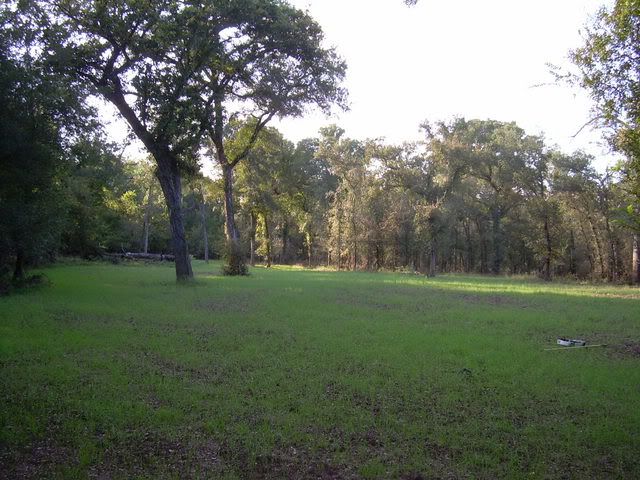
Here are some oats we planted a couple of weeks ago.
My advice is find a seed company to do business with. You will savea lot of money and you will get tons of good information of what is growing well locally. (They might let you borrow some equipment as well) An example for comparing costs isa 1/4 acre of biolgoic is $25 (weighs 25lbs?) plus tax. We payed 30 dollars (no tax)for better mix of clovers, turnips and alfalfaand it plants an acre. A 50lbbag of australian winter peas cost us $16 (plants anacre).Oats and winter wheat are like$8for 50lbs.
More dates (give you a ball park anyway):
Alfalfa
60
25-30, or drill 20-25
¼-½
Sept-Oct*, Feb-Mar
Deep, well-drained loam to clay loam soil with pH of 7 or higher
Excellent high-protein hay or forage. Check dormancy ratings of different varieties for winter hardiness and adaptation. Proper fertility, pH and well drained soils critical to high forage yields and stand longevity.
Barley
48
75-80, or drill 65-75
1-2
Sept-Oct
Soils with high pH; sensitive to acidic soils
Not susceptible to Karnal bunt. Makes good quality feed grain and forage. Of the cereal grains, most tolerant to saline and alkaline soils. Not adapted to very sandy soils.
Clover, Arrowleaf
60
8-10
¼-½
Sept-Oct*
Sandy loam soils, pH 6.0-7.0, good drainage
Good cold tolerance. Latest maturing annual clover with growth into mid-June under good moisture conditions. Good reseeding potential. Low bloat potential.
Clover, Ball
2-3
¼
Sept-Oct*
Loams and clays, pH 6.5-8.5, fair drainage
Good cold tolerance. Late maturing annual clover with most of production in April and May. Good reseeding potential. Medium bloat potential.
Clover, Berseem
12-16
¼-½
Sept-Oct*
Loams and clays, pH 6.5-8.5, poor drainage
Poor cold tolerance. Does best in creek and river bottoms. Poor reseeding potential. Low bloat potential.
Clover, Crimson
16-20
¼-½
Sept-Oct*
Sandy loams and clays, pH 6.0-7.0, good drainage
Good cold tolerance. Excellent reseeding vigor, but low percentage of hard seed. Best early forage production of the annual clovers. Earliest maturing clover.
Clover, Red
10-12
¼-½
Sept-Oct*
Loams and clays, pH 6.5-8.0, good drainage
Good cold tolerance. Weak perennial. Spring growth begins later and continues longer than the annual clovers. Upright growth for good hay. Late growth causes it to compete with perennial warm-season grasses.
Clover, Rose
12-16
¼-½
Sept-Oct*
Loams, clays, and sandy soils, pH 6.0-8.0, good drainage
Good cold tolerance. Good reseeder, but seedling vigor is poor. More productive and persistent than the other clovers in north central Texas and central Oklahoma.
Clover, Subterranean
16-20
¼-½
Sept-Oct*
Loams and clays, pH 6.0-7.3, fair drainage
Fair cold tolerance, poor drought tolerance. Tolerates close grazing because of low growth habit.
Clover, White
3-4
¼
Sept-Oct*
Loams and clays, pH 6.0-7.5, poor drainage
Good cold tolerance. Excellent reseeder. Does best in creek and river bottoms. Slow initial growth.
Clover, White Ladino
1-4
¼
Sept-Oct*
Loams and clays, pH 6.0-7.5, poor drainage
Larger, more robust type of white clover. Good cold tolerance. Does best in creek and river bottoms. Slow initial growth.
Oats, Winter
75-85, or drill 65-75
1-2
Sept-Oct
Widely adapted.
Many varieties available with different characteristics (cold tolerance, seed yield, forage production). Excellent and highly palatable hay and forage for livestock and deer. Fair tolerance to wet soils.
Peas, Field (Austrian Winter)
40-50, or drill 30
½-1
Sept-Oct
Widely adapted. Best in well-drained soils.
Good cold tolerance. Excellent soil builder. High protein hay or forage for livestock and deer.
Pea, Singletary (Roughpea)
15-20
½-1
Sept-Oct
Widely adapted.
Similar in appearance to vetch. Persistence is due to high percentage of hard seed produced.
Rape
3-5
1/4
Sept-Oct
Widely adapted.
Good cold tolerance. Large leaves and stems. Nutritious and palatable forage for livestock and deer.
Rye
100-120, drill 80-100
1-2
Sept-Nov
Widely adapted.
Good forage and hay. Best cold tolerance of the small grains. Produces more fall than spring forage. Most productive cool season annual grass on soils low in fertility, well drained, and sandy.
Sweetclover, White (Hubam)
12-16
¼-½
Feb-Mar
Loams and clays, pH 6.0-8.0, good drainage
Good drought tolerance. Produces tall, stemmy growth. Best for soil improvement, grazing, hay and honey production. White-flowered annual.
Sweetclover, Yellow Blossom (Madrid)
12-16
¼-½
Feb-Mar
Loams and clays, pH 6.0-8.0, good drainage
Good drought tolerance. Shorter growth, more leaves, and finer stems than Hubam. Best for soil improvement, grazing and hay production. Yellow-flowered biennial.
Triticale
1-2
Sept-Oct
Widely adapted.
Cross between wheat and rye, combining the cold tolerance and disease resistance of each. May produce more forage than wheat or rye alone.
Turnips
3-5
¼
Sept-Oct
Well-drained soil, pH 5.2-6.8
Good cold tolerance. Produces large, bulbous root. Nutritious and palatable forage for livestock and deer.
Vetch, Hairy
20-25,or drill 15-20
½-1
Sept-Oct
Widely adapted.
Good cold tolerance. Good re-seeding/seedling vigor. Exceptional soil builder. High protein forage/hay.
Wheat, Winter
90-110, or drill 75-90
1-2
Sept-Oct
Widely adapted.
Many varieties available with different characteristics. Good hay and forage for livestock and deer. Moderate cold tolerance, relative to the cereal grains. Better on wet, heavy soils than rye.
* May also be planted from February through early March. Early fall plantings are preferred over spring planting because of less severe weed problems and generally more favorable climatic conditions for seedling establishment.
Alyce Clover
15-20
¼-½
Mar-May
Not sensitive to soil pH.
Annual legume with fairly upright growth and relatively large leaves. Good summer browse for deer.
American Jointvetch (Aeschynomene)
15-20
1-1½
Apr-May
Moist, fertile soils. Tolerant of very wet conditions.
Reseeding annual legume. 3-6 ft. tall. Excellent for deer, duck, dove, quail. Best in wet land subject to flooding.
Buckwheat
50-60
1-1½
Apr-July
Widely adapted.
Annual. Produces abundant seed. Good for game birds and deer. Can be flooded. 70-80 day maturity.
Chufa
1½-2
Apr-June
Fertile sandy and loam soils.
Excellent for turkey. The tuber (like peanuts, but with no shell) is scratched up and eaten. 100-120 day maturity.
Chicory
¼-½
Sept-Oct
Fertile, well-drained soils, pH of 5.5 or greater.
Perennial herb. Good digestibility and mineral content. Utilized by deer and turkey.
Cowpeas
50-60
1-2
Apr-July
Widely adapted.
Annual. High in protein and very palatable to deer; seed for quail. Summer plantings with available moisture.
Illinois Bundleflower
¼-¾
Mar-May
Good in loams and clays, fair in sandy soils.
Native, perennial, legume. 3-4 ft. tall. Provides food and cover for wildlife. High in protein.
Lablab
20-25
1-3
Apr-May
Sandy loams to clays, pH of 5-7.5.
Good heat and drought tolerance. High protein. Row-cropping and protection during establishment recommended.
Lespedeza
20-30
½-1
Mar-May
Areas east of I-35. Tolerant of acidity and low Phos.
Several different species. Good food and cover for quail and turkey. Plant in patches/strips near brush, woods and water.
Millet, Browntop
25-30
¼-½
Apr-July
Widely adapted.
Annual. 60 day maturity. 2-5 ft. tall. Excellent for all birds. Produces abundant seed. Reseeds easily and quickly.
Millet, Dove Proso
30-40
¼-½
Apr-July
Widely adapted.
Annual. 3-6 ft. tall. Excellent for all game birds. Plants bend to ground as seed matures. 70-75 day maturity.
Millet, Japanese
25-35
¼-½
Apr-Sept
Widely adapted. Tolerant of flooding.
Annual. 2-5 ft. tall. Excellent for all game birds, but best for waterfowl when flooded. 60-90 day maturity.
Partridge Peas
10-15
¼-½
Apr-July
Widely adapted. Can be found growing wild.
Annual reseeding legume. 1-6 ft. tall. Excellent food and cover for quail and other game birds. 110 day maturity.
Sesame
10-15
¼-½
Apr-July
Widely adapted. Best on fertile loams.
Annual. 4-6 ft tall. Slowly shatters great quantities of oily seed. Excellent for all game birds.
Sorghum, White Game Milo
20-30
1-2
Apr-July
Widely adapted.
Annual. Birds will not eat the seed until it has dried. 3-4 ft. tall. 90-100 day maturity.
Soybean, Laredo
50-60
1-2
May-June
Widely adapted; more productive on fertile loams.
Annual forage-type soybean. Excellent spring/summer protein for deer. Good palatability. Birds relish the seed.
Sunflower, Maximilian
3-4
¼-½
Apr-May
Widely adapted. Can be found growing wild.
Native, perennial. 3-9 ft. tall. Provides food and cover for all wildlife.
Sunflower, Native (Common)
�660661�
¼-½
Dec-July
Widely adapted. Can be found growing wild.
Persistent reseeding annual. Excellent for all birds. High % of dormant seed. Best results when planted in winter.
Sunflower, Peredovik-type
25-30
½-¾
Apr-June
Widely adapted; more productive on fertile loams.
Annual. 4-5 ft tall. 100 day maturity. High oil content. Excellent for dove and quail; browsed heavily by deer.