


small body huge rach
 12-28-2011 | 04:20 PM
#1
Thread Starter
Spike
Joined: Feb 2003
Posts: 54
Likes: 0
From: minnesota USA
 small body huge rach
I was just wondering what makes a buck have a huge rack buy small body
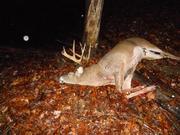
I live in MN right out citys limits there is a lots lot of deer seen big bucks as of body wise small rack then i seen this huge buck 12 14 point 150 165 class rack but the body looks like a fawn blows my mine would think he would be a lot bigger body wise.
what makes the body so small with huge rack
I live in MN right out citys limits there is a lots lot of deer seen big bucks as of body wise small rack then i seen this huge buck 12 14 point 150 165 class rack but the body looks like a fawn blows my mine would think he would be a lot bigger body wise.
what makes the body so small with huge rack


 12-29-2011 | 08:02 AM
#3
Fork Horn
Joined: Dec 2009
Posts: 479
Likes: 0
From: central Wisconsin
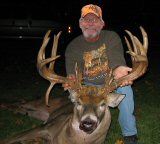
When I used to hunt in the northwest corner of Wisconsin (Burnett county) my BIL (now retired DNR biologist) had to contribute a day registering deer during the gun season. He registered one that was only one year old (aging it by the teeth) and it was big enough to make the record book! Easily. This was near where the Jordan buck was taken years ago. Imagine what those bucks would be when five years old!
Last edited by warbirdlover; 12-29-2011 at 08:09 AM.

 12-31-2011 | 12:06 PM
#8
Fork Horn
Joined: Dec 2011
Posts: 162
Likes: 0
From: Southeast
There are trhree things that contribute to large antlers. Genetics-nutrition-age. That is all and all three must be in concert to attain maximum antler size. That is, maximum size for that area.
Now here is the major rub (pun intended). We have no way of knowing for certain how much the genetic input from the doe contributes to the antlers. We also have no way of selecting for certain, the best does.
Now, I'll complicate it even more. A buck begins to grow antlers as soon as he sheds the old pair and the testoerone is redirected. The antlers continue to grow until the velvet is shed and the testsoterone again redirected. Antlers may grow and inch or more per day. Therefore, would we not like to have an early shed with more time to develop hard antlers? Of course we would. How could we achieve that?
Now here is the major rub (pun intended). We have no way of knowing for certain how much the genetic input from the doe contributes to the antlers. We also have no way of selecting for certain, the best does.
Now, I'll complicate it even more. A buck begins to grow antlers as soon as he sheds the old pair and the testoerone is redirected. The antlers continue to grow until the velvet is shed and the testsoterone again redirected. Antlers may grow and inch or more per day. Therefore, would we not like to have an early shed with more time to develop hard antlers? Of course we would. How could we achieve that?
