try the harder bullet alloy,
cast the bullets from 95% WHEEL WEIGHTS and 5% tin or Linotype,
and use the referred too, mix lube , my 458 win, 450 marlin and 45/70 all show almost zero lead in the rifling even after 60 shots , fired in an afternoon.
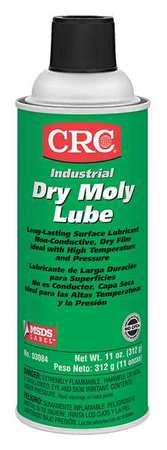
but too be fair, I always carefully clean my rifle bores and repeatedly swab the bores after carefully cleaning the bores with a dripping wet , repeatedly soaked series of moly soaked swabs
a squeaky clean bore repeatedly swabbed with moly builds a micro surface like greased glass thats perfect for cast bullet use.
http://www.engineersedge.com/lubrica...cteristics.htm
Moly exists as microscopic hexagonal crystal platelets Several molecules make up one of these platelets. A single molecule of Moly contains two sulfur atoms and one molybdenum atom. Moly platelets are attracted to metal surfaces. This attraction and the force of moving surfaces in contact, rubbing across one another provide the necessary thermochemical reaction necessary for Moly to form an overlapping protective coating like armor on the rifle bore surface, This protective armor coating has a number of properties that are very beneficial for your rifles bore surface

The Moly platelets that make up the protective layers on your bore wall surfaces slide across one another very easily. Instead of metal rubbing against metal, you have Moly platelets moving across one another protecting and lubricating the bore to projectile surface contact
This coating effectively fills in the microscopic pores that cover the surface of all micro bore imperfections making them smoother. By filling in the craters and pores Moly improves this seal

This overlapping coating of Moly also gives protection against loading (perpendicular) forces. The high pressures that occur between these moving surfaces that tend to squeeze normal lubricants out.
 http://garage.grumpysperformance.com...41/#post-84978